Choosing a Red Light Therapy Manufacturer: Four Comparative Insights That Matter
Introduction
Have you ever stood in a lab, holding a prototype panel and wondered which maker could turn it into a product that actually sells? As someone who’s spent years vetting suppliers, I can tell you the choice of a red light therapy manufacturer often makes or breaks a device’s real-world performance. (Data: top clinics report up to 40% variance in device output between well-engineered units and cheaper units.) So what should you compare first—cost, optical output, or reliability?
I’ll guide you through practical checks and comparisons. Think of this like a short checklist we can use together—step by step—so you don’t miss the red flags. Next, we’ll look at where most suppliers fail and why that matters for your product.
Where Most Suppliers Fall Short: A Technical Breakdown
led light therapy manufacturers often promise consistent output, but few deliver systems with true wavelength control and thermal stability. Let me break down the core issues: optical drivers that are underspecified, weak thermal management, and poor power converters that cause output drift. I’ve seen panels that pass a quick QC check and then lose 10–20% irradiance after a week of use. That variability wrecks clinical credibility and user trust.
Why does this keep happening?
First, many suppliers optimize for BOM cost instead of long-term stability. Second, testing protocols are minimal—often only a short burn-in or no burn-in at all. Third, firms skip edge computing nodes or firmware that handle real-time current balancing across LEDs. Look, it’s simpler than you think: small investments in better optical drivers and wavelength stabilization upfront save time and complaints later. I’ve learned to ask for thermal maps and long-run irradiance logs before I sign anything—trust me, that saves headaches.
Design Principles and the Road Ahead
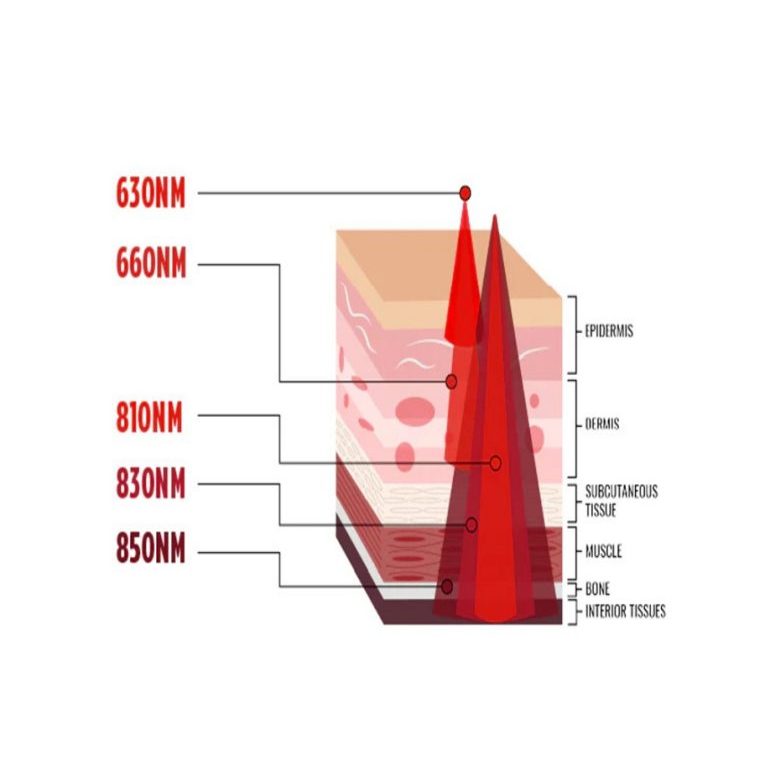
Moving forward, we should favor manufacturers who build around a few clear principles: stable wavelength output, efficient thermal paths, and smart power management. New technology now makes this practical—advanced optical drivers paired with temperature-compensated control loops can keep output within narrow bounds. When I evaluate partners, I look for evidence of thermal management testing, such as thermal imaging and heat-sink specs, plus documentation on power converters and firmware that manage current distribution.
 What’s Next?
We’re also seeing manufacturers adopt modular designs so clinics can replace boards instead of whole panels. That reduces waste and cuts long-term costs. Some vendors are experimenting with edge computing nodes to run on-device diagnostics—this enables predictive maintenance and fewer surprises in the field. — funny how that works, right?
To choose wisely, use these three evaluation metrics: 1) Output Stability: request long-term irradiance curves and wavelength stabilization data; 2) Thermal and Power Design: check thermal resistance, heat-sink specs, and the quality of power converters; 3) Serviceability and Firmware: ensure the supplier supports firmware updates and provides diagnostics (logs, error reports). I recommend scoring each vendor on these items. Do it, and you’ll avoid the usual pitfalls.
In short, I’ve found that a careful, metric-driven approach separates the vendors who deliver reliable products from those who don’t. If you want partners who understand both optics and electronics, look for a vendor that documents optical drivers, thermal management, and long-run testing. These details matter more than glossy marketing. For pragmatic, tested solutions, I often point teams toward experienced partners like Magique Power. — funny how that works, but it’s true.