From Studio Craft to Subgenre Diversity: A Practical Guide to Adult Anime Appreciation
A practical, balanced exploration of adult anime culture, from production nuances to subgenre distinctions and viewer etiquette.
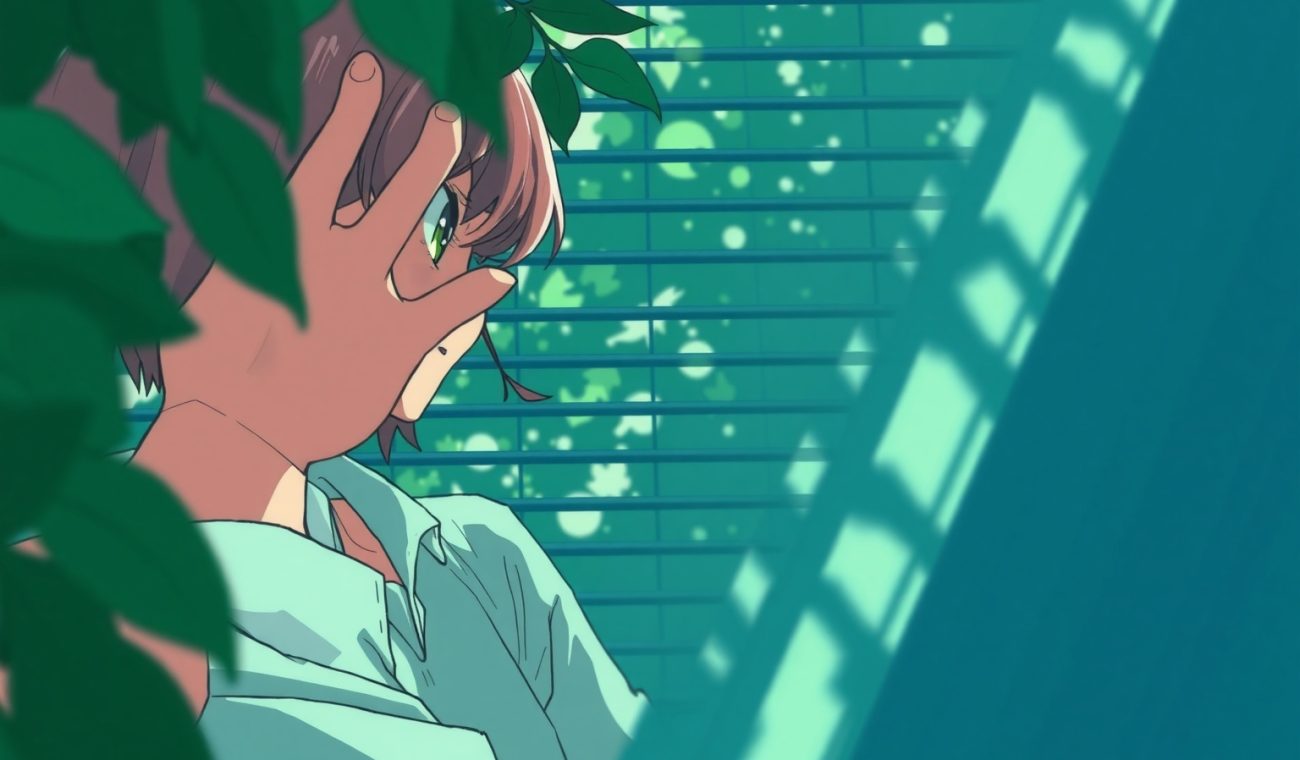
Opening glance at adult anime culture
Adult anime, including hentai and ecchi, occupies a unique space in media culture where artistic ambition meets taboo themes. This guide explores how studios balance narrative intent with explicit content, and how audiences navigate a landscape shaped by censorship, streaming platforms, and fan communities. For readers curious about real-world access patterns, Click Here to glimpse how archival sites influence discovery and discussion in this niche. The aim is not sensationalism but understanding the broader ecosystem that sustains adult anime as a cultural phenomenon.
Developers and artists often collide with legal boundaries and distribution challenges, which in turn shape the storytelling choices that fans encounter. You’ll notice how creators experiment with character psychology, worldbuilding, and visual style to convey adult themes without sacrificing craft. This section sets the stage for a nuanced look at genre taxonomy, audience expectations, and the evolving conversations around consent, representation, and accessibility in anime nsfw content.
Genre taxonomy and what sets ecchi apart
In broad terms, ecchi differentiates itself from outright hentai through a focus on teasing, innuendo, and suggestive situations rather than explicit sexual acts. This distinction influences pacing, shot composition, and character dynamics, offering viewers a lighter entry point into adult themes. Writers often lean on comedic timing and miscommunication to sustain tension while avoiding explicit boundaries that some markets regulate. The result is a spectrum where playful misadventures can still carry emotional resonance and visual charm.
Fans frequently analyze how ecchi scripts balance humor with escalating stakes, ensuring relationships feel earned rather than purely sensational. Visual design emphasizes expressive faces, blush responses, and environmental cues that cue audience reactions without crossing lines. A well-constructed ecchi arc can function as a gateway into more mature storytelling, prompting conversations about consent, agency, and the responsibilities of creators to their audience within adult contexts.
Hentai as a separate storytelling craft
Hentai, as a term, signals content intended for explicit adult consumption and often involves more explicit anatomy, scenarios, and boundaries. From a production lens, this requires careful storyboard planning, voice direction, and censorship considerations that vary by jurisdiction. Audiences look for consistency in character motives, world rules, and emotional stakes to avoid merely cranking up explicitness without narrative glue. When successful, hentai can offer provocative explorations of power dynamics, vulnerability, and fantasy that provoke discussion beyond sex itself.
Scholarly light touches on hentai discuss how authors negotiate fantasy versus ethics, presenting characters with memory, longing, and conflict that extend beyond the moment of explicit action. Filmmakers may employ symbolic framing or metaphor to convey discomfort or pleasure, inviting viewers to interrogate their own boundaries. The best works treat adult themes with care, ensuring that sex scenes emerge from character development rather than serving as empty spectacle.
Artistic style and animation choices in mature works
Animation direction in adult anime often demonstrates a devotion to craft that rivals mainstream genres, with attention to line work, color palettes, and timing that enhance mood. Some productions experiment with avant-garde lighting or camera angles to heighten intimacy or tension, while others adopt a more restrained, cinematic approach to keep focus on character interaction. Viewers benefit from noticing how texture, shading, and motion contribute to emotional impact as much as to erotic appeal.
Character design in mature titles can vary from exaggerated silhouettes to subtle, realistic anatomy, reflecting diverse audience tastes. The interplay between costume design, setting, and props helps ground adult scenes in a believable world, making the fantasy feel tangible. When animation teams collaborate across departments—direction, effects, and sound—adult scenes gain depth that invites repeat viewing and deeper interpretation beyond surface sensationalism.
Industry dynamics: production, distribution, and community norms
Production pipelines for adult anime often hinge on licensing windows, international edits, and platform guidelines that shape what reaches viewers and when. Studios balance creative risk with market realities, sometimes layering spin-off content or additional chapters to maintain momentum between releases. Distribution decisions impact accessibility, so fans frequently seek fan subs, streaming access, or archival sources, which in turn fosters vibrant communities around discussion, art, and fan-made summaries.
Community norms around consent, depiction of violence, and power hierarchies influence how discussions unfold in comments, reviews, and forums. Responsible creators acknowledge these conversations by providing content warnings, age verification cues, and clear context for mature themes. The ecosystem thrives when fans engage critically, sharing analysis of character motivation, scene composition, and the cultural context that shapes modern adult animation trends.
Ethics, consent, and representation in mature titles
Ethical storytelling in adult anime involves explicit attention to consent, boundaries, and the portrayal of intimacy. Writers and directors can craft scenes that emphasize mutual desire, clear communication, and negotiated power dynamics, while avoiding coercive tropes that alienate audiences. Viewers benefit from critical framing that distinguishes fantasy from real-world behavior, enabling healthier consumption patterns within adult media ecosystems.
Representation matters in adult anime, with ongoing discussions about diversity, body types, and relationship structures. Balanced casting, nuanced backstories, and inclusive conventions help broaden appeal without diluting the core adult themes. As the market evolves, creators increasingly consider cultural sensitivity and consent-forward storytelling as marks of quality rather than concessions, guiding the industry toward more thoughtful, responsible output.
Future trends: accessibility, AI, and global markets
The near future of adult anime is likely to see greater cross-cultural collaboration, with studios adopting multilingual releases and more inclusive casting to reach global audiences. Artificial intelligence may streamline animation workflows, enabling more ambitious projects while raising questions about authorial voice and originality. Fans can anticipate richer worldbuilding, longer-form arcs, and more varied subgenres that push beyond traditional hentai or ecchi boundaries.
As streaming platforms refine age-gate systems and content labeling, communities will continue to shape audience etiquette, moderation practices, and fan-generated discourse. The interplay between market demand and creative experimentation will drive new formats, such as interactive storytelling or episodic anthologies, that invite viewers to influence narrative outcomes while preserving mature content boundaries. The result could be a more dynamic, dialogic landscape for adult anime enthusiasts.
Closing perspectives: navigating aesthetics, ethics, and enjoyment
For readers invested in adult anime, the key is balancing visual appeal with critical literacy. Appreciating animation craft, character chemistry, and thematic risk offers a richer experience than simple shock value. By exploring ecchi, hentai, and nsfw narratives through careful analysis, fans can better understand why certain works endure as culturally meaningful artifacts rather than fleeting curiosities.
Ultimately, the most rewarding engagement comes from respectful communities, well-reasoned critiques, and a willingness to confront complex questions about fantasy, consent, and media influence. As creators continue to innovate, audiences are invited to seek out titles that challenge assumptions while delivering compelling stories, memorable characters, and thoughtfully rendered worlds that extend beyond taboos into meaningful artistic exploration.
Supplementary texture
- Voice acting nuances that convey consent and emotion
- Color design as mood, not just spectacle
- Debates on censorship versus artistic freedom
Keep reading
 Technology
Navigating the Modern Tech Landscape: Practical Strategies for Implementing Tools, Reviews, and a Resource Map
 Technology
Navigating Modern Tech in Healthcare: A Practical Guide to Tools, Reviews, and Resource Maps
 Technology